With the global energy transition accelerating, solar photovoltaic energy has become one of the most reliable and accessible renewable solutions. It is no longer limited to large-scale power plants, but has deeply integrated into our daily lives, bringing sustainable, clean, and cost-effective power to residential scenarios, public facilities, outdoor activities, and modern buildings.
1. Residential Solar Power 🏠
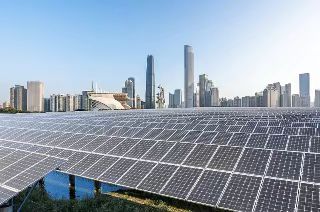
Household rooftop solar systems (3–15kW grid-tied solutions) are widely adopted for family daily power supply, helping homeowners reduce electricity bills and achieve self-sufficient power consumption.
For remote and off-grid areas such as plateaus, islands, pastoral zones, and border outposts, small standalone solar power systems provide stable electricity for lighting, televisions, and daily living equipment. Solar water pumps also effectively solve drinking water and farmland irrigation problems in power-free regions, improving local living conditions.
2. Outdoor & Portable Solar Applications ⛺️
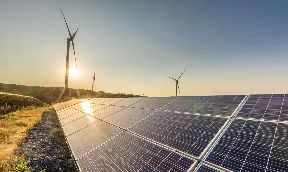
Solar technology greatly enriches outdoor lifestyles and off-grid scenarios. Portable solar energy solutions include outdoor solar lighting, mobile solar energy storage systems, solar tents, inflatable photovoltaic mats, solar hiking gear, solar cookers, and solar RV power supply systems. These lightweight and eco-friendly solutions support convenient power access for camping, hiking, self-driving tours, and field operations.
3. BIPV Solar Building Integration 🏙
Building Integrated Photovoltaics (BIPV) redefines modern architectural design. Solar panels are perfectly combined with buildings to realize dual functions of decoration and power generation.
Common BIPV applications include solar rooftops, photovoltaic windows, curtain walls, sunshade panels, exterior wall systems, and solar sunrooms. It enables zero-carbon buildings, saves building energy consumption, and creates aesthetic and eco-friendly architectural spaces.
4. Public & Urban Infrastructure ⛲️
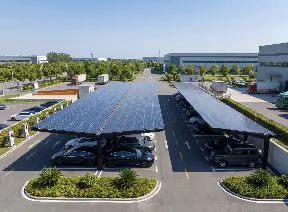
Solar energy is widely applied in urban public facilities to promote low-carbon city construction. Typical scenarios cover solar EV charging stations & carports, solar bus shelters, smart solar public seats, landscape photovoltaic installations, solar street lights, solar water purification equipment, and solar advertising billboards.
These public solar projects help cities reduce grid pressure, lower carbon emissions, and realize intelligent green urban management.
Final Thought
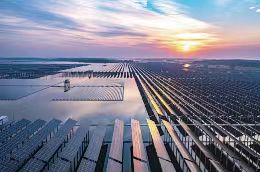
Continuous technological innovation and optimized solar energy storage technology are making photovoltaic power more efficient, stable, and adaptable. From family houses to urban infrastructure, from outdoor life to green buildings, solar energy is becoming an indispensable part of a sustainable future.